INSIGHTS & RESOURCES
Thoughtful psychology, made practical.
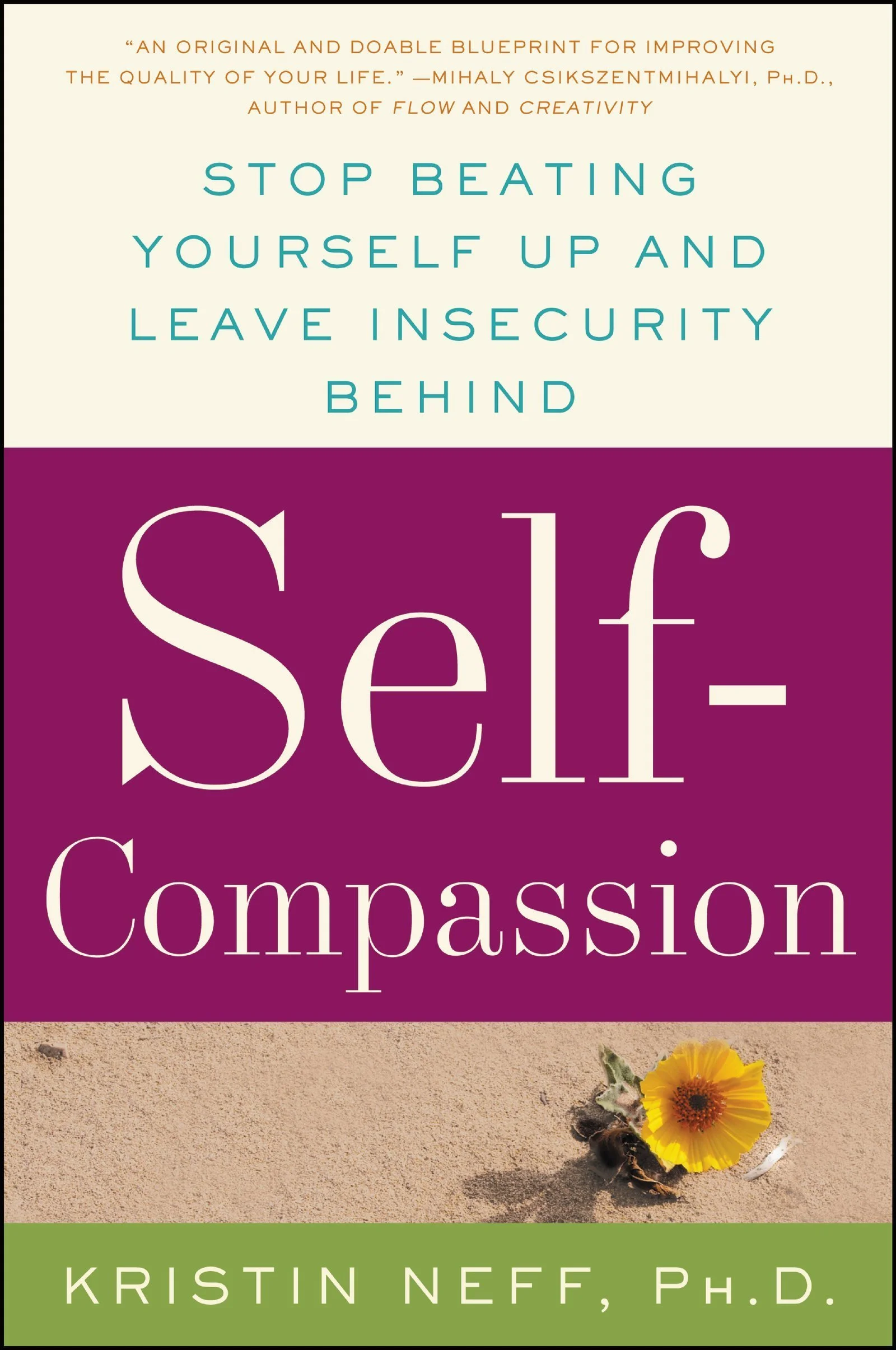
Eclipse Reads: Book of the Month
In this month’s Book of the Month, we explore Dr. Kristin Neff’s Self-Compassion: The Proven Power of Being Kind to Yourself—a thoughtful and research-informed look at how we relate to ourselves during difficult moments. Drawing on psychological research and practical exercises, Neff explores the three components of self-compassion: self-kindness, common humanity, and mindfulness. This book offers valuable insight for anyone struggling with perfectionism, self-criticism, anxiety, shame, or burnout, and provides practical ways to develop a kinder and more balanced relationship with yourself.

September: A New Season, A New Beginning
September is more than the transition from summer to fall—it is an opportunity to pause, reflect, and embrace a new beginning. In this blog, we explore the metaphor of life’s seasons, the importance of allowing space for both endings and new chapters, and how September can be a meaningful time to revisit goals, build momentum, and step into the next season of life with intention and self-compassion.

Be the Partner You Hope to Find
Relationships require more than finding the right person—they also require becoming the kind of person we hope to build a relationship with. In this blog, we explore the importance of self-reflection, mutual expectations, and how aligning the qualities we seek in others with the qualities we practice ourselves can support healthier, more fulfilling connections.

The Coping Strategies We Choose: Moving From Shame to Self-Compassion
Coping strategies are something we all use to manage stress, emotions, and difficult moments. In this blog, we explore the difference between healthy and unhealthy coping, the role of shame in our coping choices, and how developing awareness and self-compassion can help us build a healthier relationship with the ways we cope.

Reflecting as Eclipse Psychology turns 4 years old…
Four years ago, Eclipse Psychology opened its doors with a vision of creating a space where people could feel supported, connected, and free to be their authentic selves. In this personal reflection, Laura shares the story behind the practice, the lessons learned through growth and change, and the gratitude she feels for the clients, team members, and community who have helped shape Eclipse Psychology into what it is today.

Eclipse Reads: Book of the Month
There’s a particular kind of exhaustion that comes from constantly saying yes when you want to say no, over-explaining your choices, and feeling responsible for other people’s emotions. In Set Boundaries, Find Peace, therapist Nedra Glover Tawwab offers a clear, practical guide to breaking these patterns and reclaiming your sense of self.
In this month’s review, we explore why this book stands out in the self-help space. Rather than abstract advice, Tawwab provides concrete strategies, relatable examples, and real-life scripts that make boundary-setting feel accessible and actionable. She also addresses the guilt and discomfort that often come with change, framing boundaries as an essential part of emotional health and self-respect across relationships, work, and daily life.

What Happens in Your First Therapy Session?
Wondering what happens in your first therapy session? Learn what to expect in therapy, how your first counselling appointment works, common therapist questions, and how to know if therapy is the right fit.

What Does It Actually Mean to Process Your Emotions?
What does it mean to process emotions? Learn why emotional processing matters, how emotions become stuck, and practical ways to reconnect with your body, feelings, and nervous system.

What High-Functioning Anxiety Can Look Like (And Why It's So Easy to Miss)
Learn the common signs of high-functioning anxiety, including overthinking, perfectionism, people pleasing, burnout, and chronic stress. Discover how anxiety affects the nervous system and when therapy may help.

Constantly Connected, Yet Disconnected: The Mental Health Benefits of Unplugging
Technology keeps us connected, but it can also impact focus, relationships, and wellbeing. Learn how intentional disconnection can improve mental health, presence, and connection.

Understanding Demand Avoidance: When Everyday Expectations Feel Overwhelming
Why do some people struggle to complete tasks they genuinely want to do? This article explores Pathological Demand Avoidance (PDA), also known by some as Persistent Drive for Autonomy, and how everyday expectations can trigger anxiety, overwhelm, and resistance. Learn about common traits associated with demand avoidance, why pressure often makes tasks harder, practical strategies for reducing stress and increasing autonomy, and how to support yourself or a loved one with greater understanding and compassion.

Using Therapeutic Play with Children and Adolescents
If you've ever considered therapy for your child, you may wonder what happens during a session and how therapy can help. Therapeutic play offers children a safe, supportive space to express emotions, process experiences, and develop important coping skills through play, art, movement, and creative activities. In this blog, we explore how therapeutic play supports emotional regulation, social development, behavioural challenges, anxiety, and life transitions, while helping children communicate in ways that feel natural and meaningful.

Life Begins at 40
Midlife often arrives with a quiet but unsettling realization: the life we worked so hard to build no longer feels fully aligned with who we are. Drawing on the ideas of Carl Jung, this article explores why the second half of life can feel less about achievement and more about authenticity, meaning, and self-discovery. What many call a “midlife crisis” may actually be an invitation to reconnect with the parts of ourselves we left behind while trying to succeed.

If You Haven’t Said It, They Don’t Know: Communication in Relationships
Unspoken expectations are one of the most common sources of tension in relationships. It’s easy to feel frustrated or hurt by something a partner is doing or not doing, but if it hasn’t been clearly expressed, they may not even realize there’s an issue.
While speaking up can feel uncomfortable, especially if it hasn’t felt safe in the past, clear and respectful communication creates the opportunity for understanding, repair, and connection. In many cases, saying it out loud is the first step toward meaningful change.
Understanding the Window of Tolerance: Making Sense of Stress and Trauma Responses
The Window of Tolerance describes the range where your nervous system can stay balanced, helping you think clearly, manage emotions, and respond effectively to stress. When you move outside this range, you may experience anxiety and reactivity or feel shut down and disconnected, both of which are natural stress responses.
With awareness and supportive practices, it is possible to gradually expand this window, building resilience and creating a greater sense of stability over time.

Understanding Your Inner Child: A Gentle Way to Make Sense of Big Reactions
The idea of the “inner child” helps explain why we sometimes react more strongly than expected. In those moments, pausing to ask “How old do I feel right now?” can reveal a younger part of you that may need care or reassurance.
By responding with compassion instead of self-criticism, you can begin to shift these patterns and create a gentler, more supportive relationship with yourself.

Positive vs. Negative Motivation: Rethinking How We Approach Habits
Motivation isn’t simply reward vs. punishment. While fear or guilt can drive short-term action, lasting habits are more likely when rooted in personal meaning, self-compassion, and clear values. Shifting from “shoulds” to purposeful, curiosity-driven goals can lead to healthier, more sustainable change.

Online EMDR Therapy
Have you ever wondered about doing EMDR therapy online? Here we answer what that looks like, what to consider, and how to get started with our Calgary therapists.

Everything You Need to Know About Couples’ Therapy
Learn what couples' therapy is and how you can get started with our marriage and family therapists in Calgary.

What is EMDR Therapy?
In this blog we dive into what EMDR therapy is, the results you can expect, what sessions look like and more.