Eclipse Reads: Book of the Month
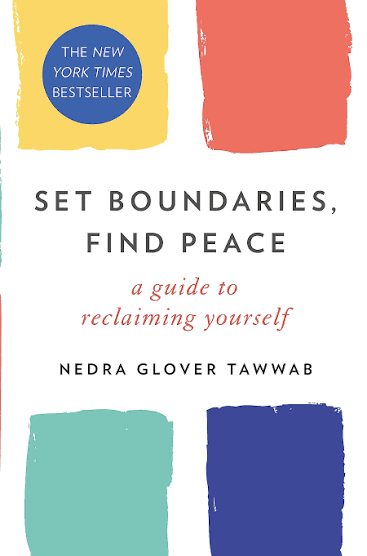
Set Boundaries, Find Peace: A Guide to Reclaiming Yourself by Nedra Glover Tawwab
Written by Erin Smith
There’s a certain kind of exhaustion that doesn’t come from work, parenting, relationships, or deadlines alone. It comes from constantly saying “yes” when you really want to say “no,” over-explaining, taking responsibility for other people’s emotions, and feeling guilty every time you try to protect your own peace. That’s the topic Nedra Glover Tawwab explores in Set Boundaries, Find Peace — and honestly, it’s one of the clearest and most practical mental-health related books I’ve read.
Unlike many self-help books that are merely inspirational, this one feels usable. A major strength of the book is accessibility. It’s written for people who need actionable skills, not theoretical frameworks. Tawwab doesn’t just tell readers to “set better boundaries,” she explains:
How to tell when we need to set boundaries
What boundaries actually are
Why we struggle to set boundaries
What healthy boundaries sound like in real conversations
How to cope with the uncomfortable feelings that inevitably come from setting boundaries
Why This Book Resonates
One thing that sets this book apart is its relevance. We live in a culture that promotes and rewards over-functioning. We take on more than we can handle. When we inevitably burn out, we blame our lack of stamina rather than our lack of boundaries. In therapy, I often see how chronic overgiving, people-pleasing, and unclear expectations can contribute to anxiety, resentment, burnout, and strained relationships. Set Boundaries, Find Peace names those patterns in a way that feels validating rather than shaming.
Another thing I appreciated was Tawwab’s tone. She’s direct, but not harsh. What makes Set Boundaries, Find Peace impactful is that it challenges an idea many people silently carry: that being “good” means being endlessly available and agreeable. Tawwab pushes against that belief without encouraging selfishness. The book avoids turning boundaries into emotional walls or power moves. Instead, Tawwab argues that sustainable relationships require honesty, limits, and mutual responsibility. She explains to readers that peace is often less about controlling other people and more about finally being honest about what you need. Tawwab is also realistic in her portrayal of real-life boundary setting. Rather than presenting boundaries as a dramatic one-time decision, she frames them as a practice. That is a helpful message for readers who expect perfection from themselves. Real boundary work is messy. It includes hesitation, repetition, repair, and the occasional need to start again.
Set Boundaries, Find Peace explores boundaries across many areas of life, including family dynamics, friendships, romantic relationships, work environments, and social media, and includes lots of real life, relatable examples. I particularly like how Tawwab addresses the guilt and anxiety that can emerge when individuals begin changing long-standing relational patterns. Many people hesitate to set boundaries because they fear being selfish, rude, or rejected. This book gently challenges that belief and reframes boundaries as an act of self-respect rather than selfishness. Growth in relationships often requires tolerating temporary tension, uncertainty, or disappointment. Tawwab approaches this reality with empathy rather than unrealistic positivity, which makes the guidance feel grounded and attainable.
The book also repeatedly returns to a difficult truth: people cannot respect limits they never hear. Boundaries are framed as communication tools, not a punishment or a rejection.
The Most Useful Part: Scripts & Example Conversations
As a psychologist, I value books that help people make a real, usable change in their day-to-day lives. The standout feature of the book is the scripts and example conversations — short, clear examples of what boundary-setting can actually sound like. That may seem small, but for many people, wording is the hardest part. People often know what they feel but struggle to translate it into words without sounding aggressive, defensive, or apologetic. The scripts and example conversations help bridge that gap. They also normalize brevity. One subtle lesson throughout the book is that healthy boundaries usually require fewer explanations than people think. But the icing on the cake: the scripts also include common responses from others and how readers can respond to reinforce and fortify the boundaries they’re trying to set. Tawwab’s practical approach aligns strongly with the kind of collaborative, skills-based work I often incorporate into counselling work with clients.
What the Book Does Not Do
If I were to offer one critique, it would be that some readers with deeply entrenched trauma histories or highly complex relational dynamics may need more individualized therapeutic support alongside the book. While the strategies are excellent, implementing boundaries in abusive, manipulative, or highly enmeshed relationships can be significantly more complicated than the examples sometimes suggest. Still, Tawwab acknowledges these nuances more thoughtfully than many self-help authors do. Additionally, readers looking for dense research or highly nuanced analysis may find this book a bit too introductory.
Final Thoughts
Set Boundaries, Find Peace is a great book because it turns emotional wellness into something concrete. Instead of treating boundaries as vague self-care rhetoric, it treats them as everyday relational skills that can be practiced, improved, and normalized. For many readers, this book may become the first step toward recognizing that peace does not come from endlessly accommodating everyone else. Often, it begins with learning where you end and someone else begins.