Using Therapeutic Play with Children and Adolescents
Written by Karin Lawless
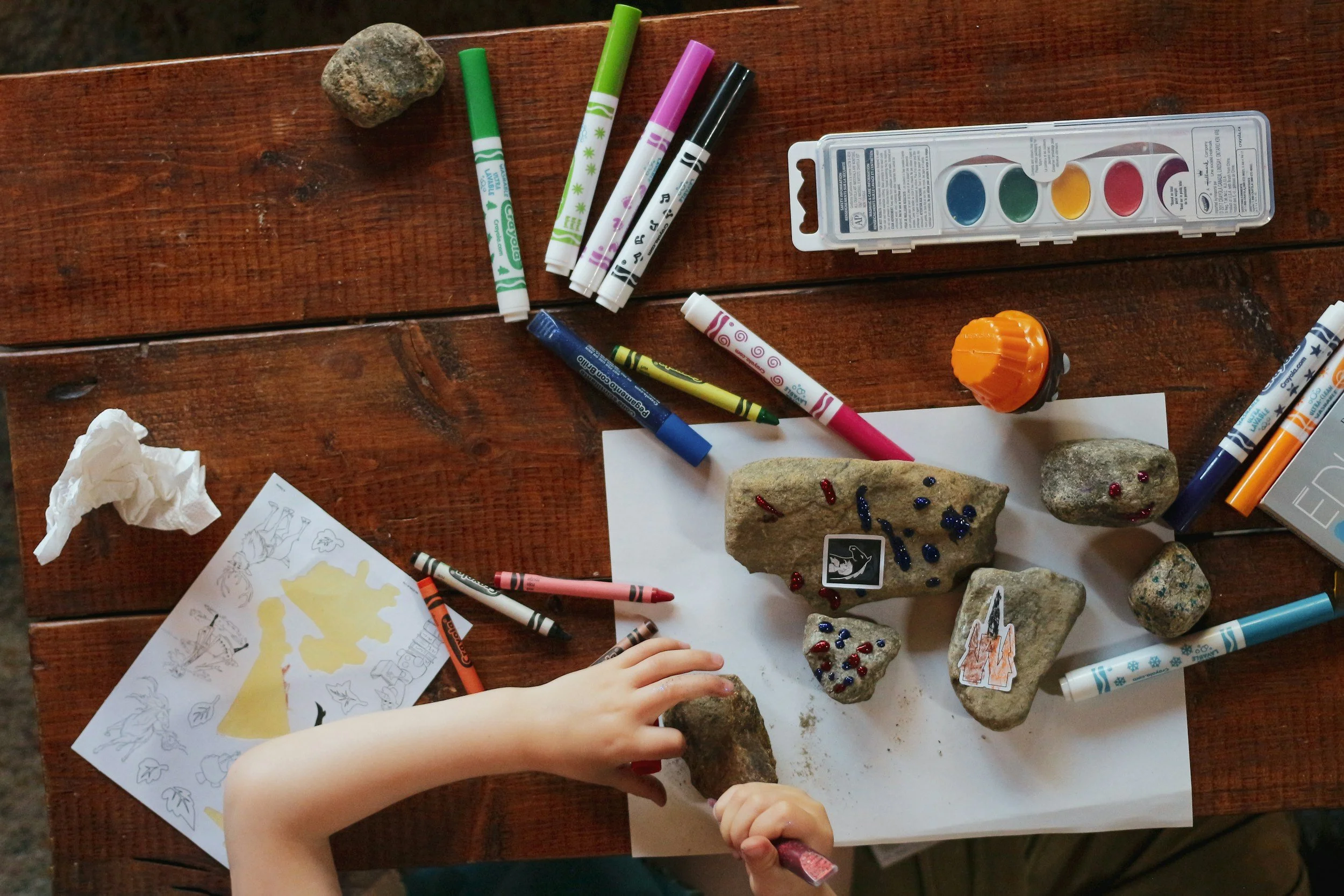
If you have ever thought about bringing in your child for therapy, you might wonder what the therapeutic process might look like. Like adults, children can experience challenges, such as depression, anxiety, behavioural issues, and social challenges. Therapeutic play can be a powerful addition to the therapeutic process, bringing in aspects of play therapy, supporting the use of other therapeutic modalities. Those trained in therapeutic play skills can work with a range of presenting problems through mediums of play, art, puppets, movement, and more!
What is Therapeutic Play?
Therapeutic play can look quite different than other forms of therapy and it is common for parents to question what is happening or changing. Therapeutic play offers a safe space for children to explore their world and emotions safely without repercussions. It uses play as a way of self-expression and can support processing challenging experiences without using words.
Therapeutic play can support:
Coping
Emotional awareness and regulation
Behavioural concerns
Self-esteem and self-development
Social skills
Anxiety
Life transitions/challenging experiences
How Does Therapeutic Play Help?
Children will often play out their experiences in different social contexts and therapeutic play offers a stage to explore those experiences with the support of the therapist. The role of the therapist might change, being more directive in some activities, or letting the child take the lead, giving them control where they might not otherwise have it. Play offers a way for children to explore self and the environment, act out conflicts, and bridge the gap between concrete experiences and abstract thought. It can influence the development of cognitive understanding, social-emotional development, language, and even physical and motor control.
Therapists will also often work with parents and caregivers to develop skills at home through teaching skills of reflection, co-regulation, and limit-setting.
Play Therapy vs. Therapeutic Play?
Therapeutic play uses many of the tenets from models of play therapy. The main difference is that play therapy is led by a registered play therapist. Play therapists usually offer longer term support and work with more complex cases. Those who are trained in therapeutic play skills work from their original designation first (Registered psychologist, MSW, CCC) and integrate play skills into their work.
While therapeutic play is a great option for children and adolescents, it can also be integrated into work with adults, families, and couples.
Questions about how therapeutic play might support your child? Reach out to Eclipse Psychology today!