Who Am I Without My Sport? The Identity Transition After College Athletics
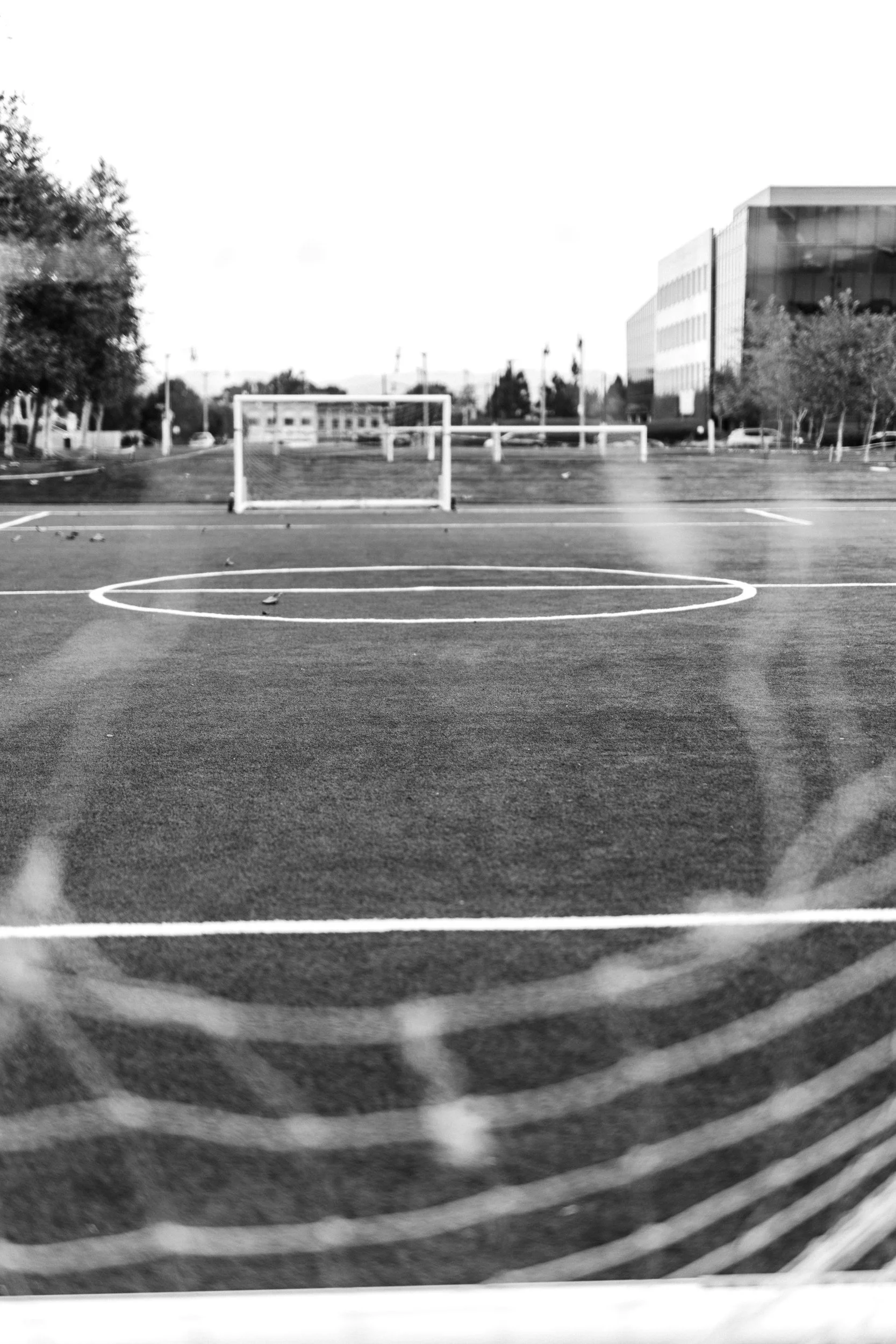
As a former college athlete, I have a unique understanding of the experience that many athletes go through when their sport has been such a significant part of their lives. I played university soccer for four years, from the ages of 18 to 22, and to anyone who has also played university sports—whether for one year or an entire career—you likely know that those years are filled with a lot of highs and lows, challenges and successes, frustrations and moments of growth. But more than anything, they are filled with learning experiences.
There is something unique about being a university athlete during this stage of life. These are incredibly formative years for many reasons. We are adults for the first time, learning who we are outside of our families, our childhood experiences, and the identities we developed growing up. We are entering university, navigating new independence, building new relationships, and figuring out who we are becoming. At the same time, our brains are still developing, and we are continuing to develop our values, confidence, and sense of self.
When you add high-level sport into this already complex stage of life, it becomes another layer of identity. For many athletes, sport is not just something they do. It becomes part of who they are.
You are not just someone who plays soccer, hockey, basketball, swimming, or another sport. You are an athlete. It influences your schedule, your friendships, your goals, your routines, your decisions, and even how you view yourself.
And that comes with so many incredible benefits.
Being a university athlete teaches discipline. It teaches accountability. It teaches you how to commit to something, how to show up even when you do not feel motivated, and how to work toward a goal that is bigger than yourself. Sport creates structure and routine during a time of life that can otherwise feel uncertain.
It also creates community. Being part of a team means learning how to work with people who may have different personalities, perspectives, communication styles, and experiences. Sometimes those relationships are easy, and sometimes they are challenging. But both teach valuable lessons about collaboration, conflict, leadership, and growth. You learn how to come together with people who may not always be your closest friends but who share a common goal.
Athletics also teaches athletes about their bodies in a way that many people never experience. You learn about nutrition, fueling, recovery, strength, rest, and what your body needs to perform. You learn to listen to your body and understand what it is capable of.
However, like anything meaningful, being a university athlete also comes with challenges.
One of the biggest challenges is balance. University athletes are often balancing academics, training, practices, games, travel, recovery, relationships, and personal responsibilities all at once. There is often very little unstructured time. Your schedule is created around your sport, and your life naturally organizes itself around practices, competitions, and team commitments.
And then suddenly, it ends.
One of the most difficult transitions many athletes experience is the transition out of competitive sport.
For years, sport has provided structure. There are practices, games, training plans, coaches, teammates, goals, and a clear understanding of what you are working toward. Then, almost overnight, that structure changes. The schedule that once dictated your days is suddenly gone.
Many former athletes describe this experience as feeling like losing a part of themselves.
Because in many ways, they are.
Not because they are no longer athletes. That identity and those experiences will always be part of them. But because they are learning how to exist without the same external structure and expectations that once shaped their lives.
This transition can impact many areas of life, including exercise, nutrition, relationships, and identity.
For many athletes, learning how to exercise after competitive sport is a major adjustment. When you are an athlete, exercise is often scheduled for you. You know when you train, what your workouts are, and what your body needs to do. After sport ends, movement becomes a choice. You have to learn how to exercise because it feels good, because it supports your health, or because you enjoy it—not because you have a coach, teammates, or a competition requiring you to.
Similarly, many athletes experience a shift in their relationship with food and their bodies. During competitive sport, fueling your body has a clear purpose: performance. After sport ends, that relationship can become more complicated. You may need to learn what your body needs now, outside of the demands of high-level athletics, and develop a new understanding of health that is not tied solely to performance.
There is also a social transition that happens. During university athletics, your teammates often become some of your closest relationships because you spend so much time together. You train together, travel together, compete together, and experience the highs and lows together. After sport ends, maintaining those relationships can require more intention because the built-in connection is no longer there.
And perhaps the biggest transition is the identity question:
Who am I without my sport?
This question can feel uncomfortable, especially when sport has been a significant part of your life for many years. Athletes often spend their childhood and adolescence working toward the next level: making the team, earning a starting position, competing at higher levels, and reaching university athletics. When that chapter ends, there can be uncertainty about what comes next.
The identity crisis after sport is real.
But what I think is important to remember is that sport did not create your identity—it revealed parts of it.
The discipline you developed. The resilience you built. The ability to work through challenges. The commitment, leadership, teamwork, and perseverance you practiced. Those qualities do not disappear when your sport ends. They come with you into the next chapter.
The transition out of athletics is not about losing who you were. It is about discovering who you are beyond the role you spent so much time developing.
For many former athletes, this transition takes time. It requires curiosity, patience, and compassion. It requires exploring new goals, creating new routines, building new communities, and developing a relationship with yourself outside of performance.
And while it can feel uncomfortable, it can also be an incredible opportunity.
Because when we are no longer defined only by what we accomplish, we have the chance to discover who we are simply as ourselves.
So, to the former athletes navigating this transition: you are not losing your identity. You are expanding it.
Your sport was a chapter of your story.
It was never the entire story.