Be the Partner You Hope to Find
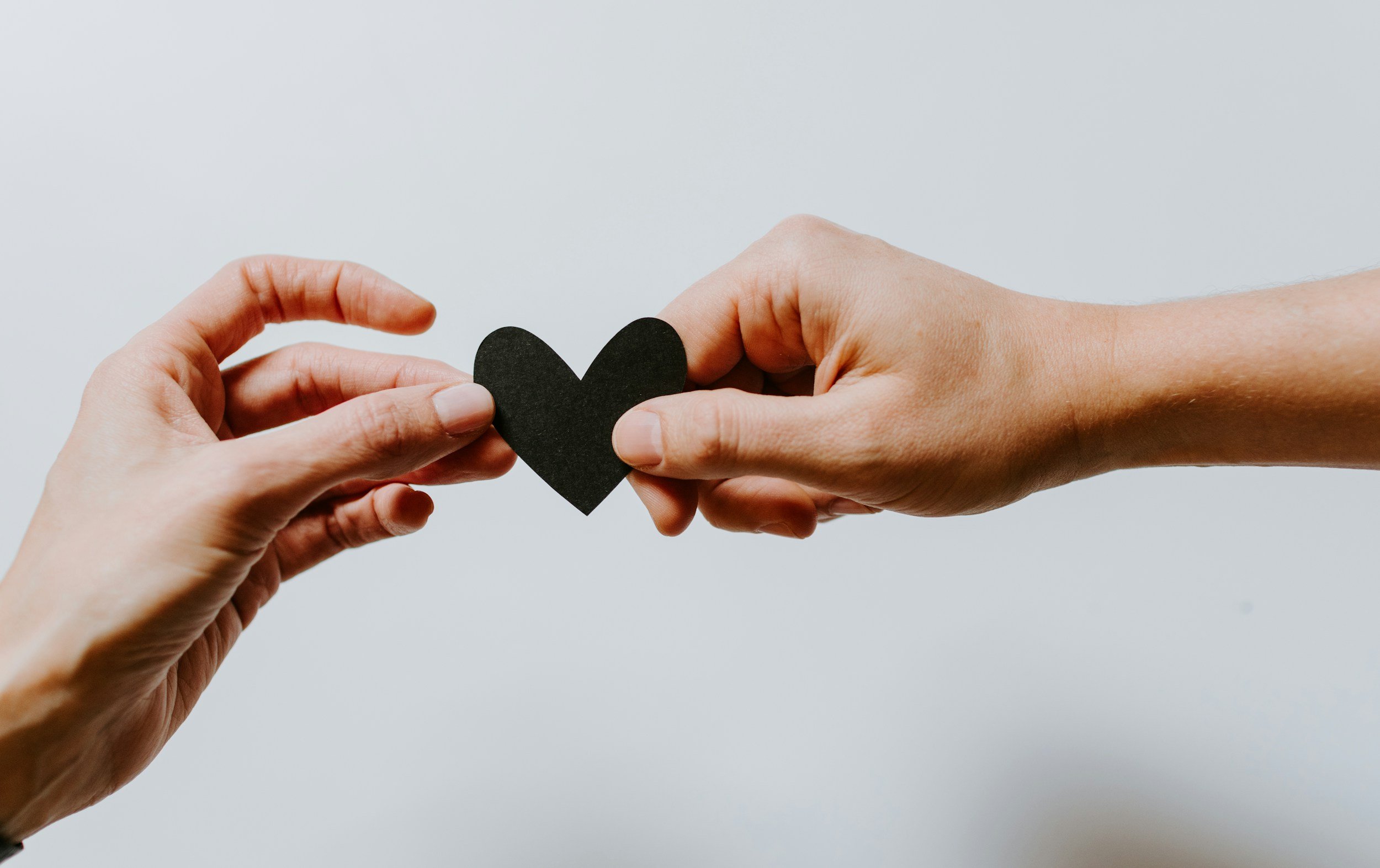
As a Registered Psychologist who has the privilege of sitting with people from many different backgrounds, ages, genders, cultures, relationship structures, and life experiences, I have the opportunity to hear a wide variety of stories about relationships. People come to therapy for many different reasons, but one of the most common themes I see is relationship challenges.
Sometimes these challenges are within existing relationships—communication struggles, feeling disconnected, recurring conflict, unmet needs, or difficulty understanding one another. Other times, they come from dating experiences—the uncertainty of finding someone, navigating modern dating, feeling disappointed by repeated patterns, or wondering why relationships are not unfolding the way someone hopes they would.
Regardless of the situation, one of the most common pieces of advice I find myself returning to is this:
Be the kind of partner and person that you are hoping to find in someone else.
People come into therapy with all kinds of frustrations about their partners or dating experiences. They talk about what they are not receiving, what they wish was different, what they are tired of experiencing, and what they want more of. They may feel frustrated by a lack of effort, too much or too little communication, differences in emotional availability, mismatched priorities, a lack of planning, too much planning, feeling unseen, feeling unsupported, or feeling like they are putting in more than they are receiving.
And to be clear, these frustrations can be very valid. Relationships require compatibility, effort, emotional safety, and shared values. Wanting to feel loved, respected, prioritized, and cared for is not unreasonable.
However, what I often notice is that sometimes there is a gap between the expectations people have for their partners and the expectations they hold for themselves.
Now, this is not to say that people should not have high expectations of others. In fact, I believe the opposite. If we are choosing to share our lives, our hearts, our time, and our futures with someone, it makes sense that we would want a relationship that feels meaningful and fulfilling. Too often, people settle for relationships that are simply “good enough” when they deserve connection, respect, and partnership. That is an entirely separate (and important) conversation.
The challenge I see is when we hold others to standards that we are not also working toward ourselves.
We want a partner who communicates openly, but we avoid difficult conversations. We want someone who is emotionally available, but we struggle to express our own emotions. We want someone who makes us feel valued, but we do not consistently show appreciation. We want someone who is patient and understanding, but we struggle to offer that same patience to others.
In other words, we sometimes expect from others what we have not yet committed to practicing ourselves.
I often see this reflected in conversations online about things like “princess treatment.” While this term is often gendered, the underlying idea applies to everyone. Many people desire to feel cared for, prioritized, pursued, and valued by their partner—and there is absolutely nothing wrong with wanting those things. But the question worth asking is: Am I also offering those same things in return?
Relationships are not meant to be one person receiving and one person providing. Healthy relationships are built through mutual effort, where both people feel valued, supported, and cared for.
I think this is an important gap to explore because, while it will not solve every relationship challenge, it can significantly reduce some of the frustration people experience in dating and relationships. It allows us to shift the focus from only asking, “Why am I not getting what I need?” to also asking, “Am I contributing the kind of energy, effort, and connection that I hope to receive?”
So, what does this look like in practice?
Start by thinking about the characteristics, traits, and behaviours you value in a partner. What qualities are important to you? Maybe it is kindness, honesty, emotional availability, confidence, reliability, communication, affection, curiosity, patience, independence, or a willingness to grow.
Write them down if that feels helpful.
Then take an honest look at that list and ask yourself: If someone was looking for these same qualities in a partner, how many of these would they see in me?
This exercise is not meant to create shame or make you feel like you need to become “perfect” before you are worthy of love. None of us are finished products. We are all learning, growing, and working through our own experiences and patterns. The goal is not perfection—the goal is awareness.
Self-reflection allows us to recognize where we may have opportunities to grow. It allows us to enter relationships not only asking, “Who is right for me?” but also, “How can I show up as someone who is right for another person?”
For those who are dating, this can also help create alignment between the type of person you are hoping to find and the type of person you are becoming. For example, if you are looking for someone who communicates openly and has a secure attachment style, but you recognize that you avoid communication or struggle with emotional vulnerability, that awareness is valuable. It does not mean you are unworthy of that relationship. It simply means that developing those skills yourself may help you build the kind of connection you are looking for.
The reality is that most people are looking for similar things. Someone who is emotionally healthy, communicative, supportive, and willing to grow. And often, those people are also looking for someone who brings those same qualities into the relationship.
Our expectations should align both externally and internally.
A phrase I often share with my clients is:
“I can’t expect something from my partner that I wouldn’t also expect from myself.”
This does not mean accepting less than you deserve. It does not mean ignoring red flags or tolerating unhealthy relationship dynamics. It means holding yourself to the same standard of care, respect, and effort that you hope to receive.
Healthy relationships are not built by finding someone who perfectly meets our needs. They are built by two people who are willing to show up, communicate, grow, and continually choose each other.
So, as you think about the relationship you hope to have—whether you are dating, in a relationship, or simply reflecting on what you want in the future—consider this question:
Are you becoming the kind of person and partner that you hope to find?