Resources by Erin

Erin Smith
Registered Psychologist
Articles, reflections, and practical insights on all things therapy.
Blog



Why can a vacation leave you feeling more exhausted instead of refreshed? In this post, we explore why rest doesn’t always feel restful, particularly when your mind and body have become accustomed to chronic stress, constant stimulation, or high levels of productivity. From rest-related guilt and difficulty slowing down to the difference between mental, emotional, and physical fatigue, this article offers a closer look at what genuine recovery can look like—and how to give yourself permission to rest.
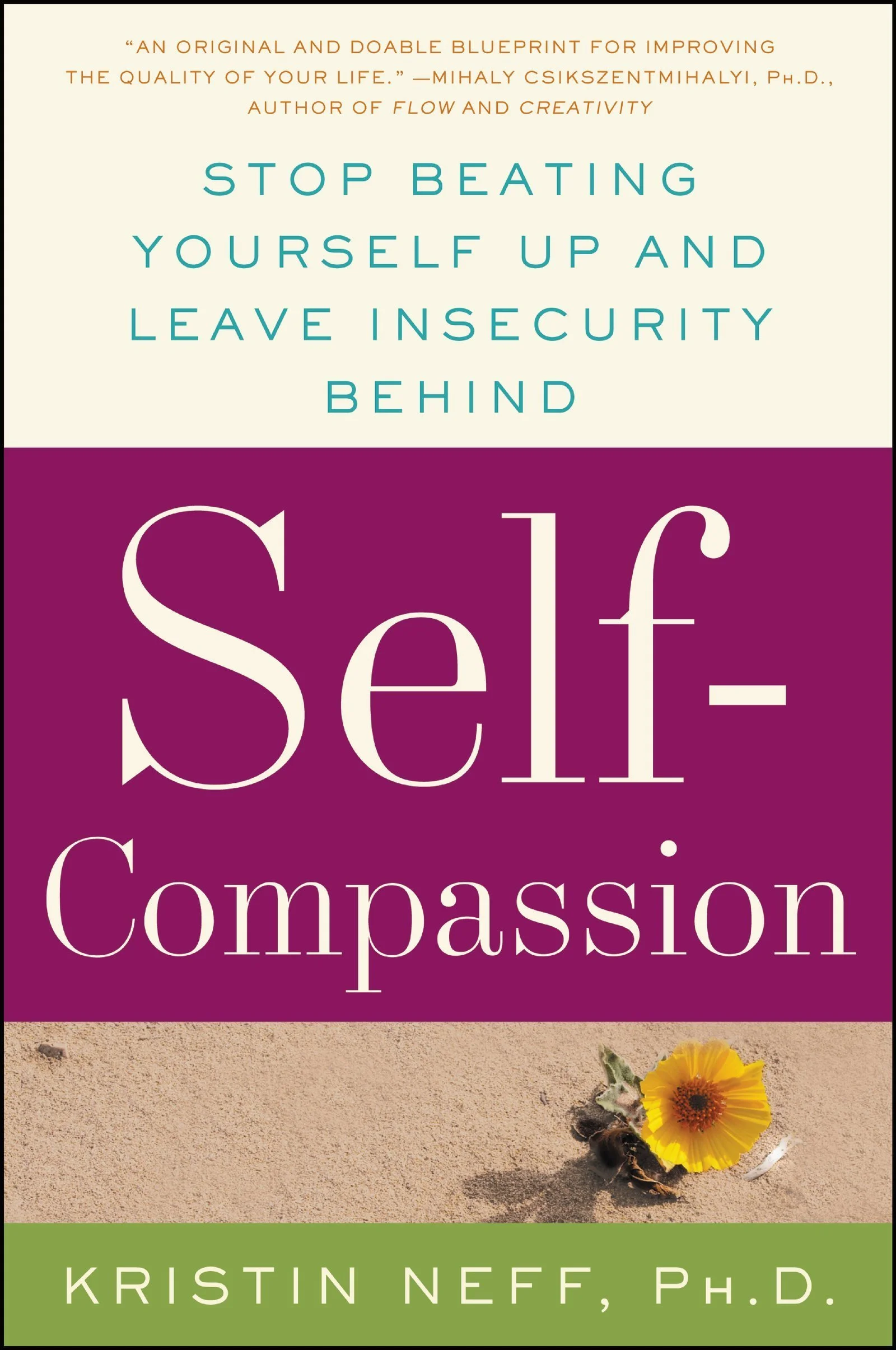
In this month’s Book of the Month, we explore Dr. Kristin Neff’s Self-Compassion: The Proven Power of Being Kind to Yourself—a thoughtful and research-informed look at how we relate to ourselves during difficult moments. Drawing on psychological research and practical exercises, Neff explores the three components of self-compassion: self-kindness, common humanity, and mindfulness. This book offers valuable insight for anyone struggling with perfectionism, self-criticism, anxiety, shame, or burnout, and provides practical ways to develop a kinder and more balanced relationship with yourself.
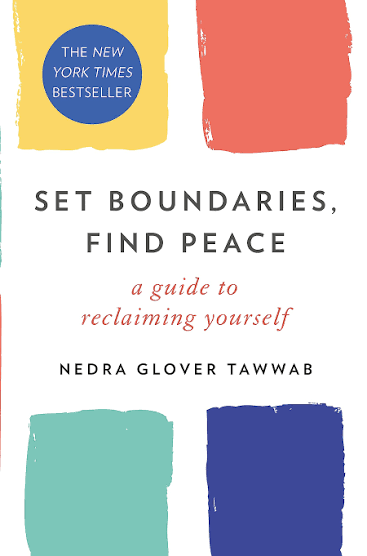
There’s a particular kind of exhaustion that comes from constantly saying yes when you want to say no, over-explaining your choices, and feeling responsible for other people’s emotions. In Set Boundaries, Find Peace, therapist Nedra Glover Tawwab offers a clear, practical guide to breaking these patterns and reclaiming your sense of self.
In this month’s review, we explore why this book stands out in the self-help space. Rather than abstract advice, Tawwab provides concrete strategies, relatable examples, and real-life scripts that make boundary-setting feel accessible and actionable. She also addresses the guilt and discomfort that often come with change, framing boundaries as an essential part of emotional health and self-respect across relationships, work, and daily life.
Midlife often arrives with a quiet but unsettling realization: the life we worked so hard to build no longer feels fully aligned with who we are. Drawing on the ideas of Carl Jung, this article explores why the second half of life can feel less about achievement and more about authenticity, meaning, and self-discovery. What many call a “midlife crisis” may actually be an invitation to reconnect with the parts of ourselves we left behind while trying to succeed.
With Halloween approaching, it’s the perfect time to address one of the biggest fears I see as a therapist: therapy is scary.